Home
-

Know It. Screen It. Beat It.
Colorectal cancer is highly treatable when caught early — yet 7 in 10 Malaysians are diagnosed too late. It affects all communities across Malaysia. Learn what you need to know to protect yourself and your loved ones.
#1
Cancer among men in Malaysia70%
Diagnosed late at Stage 3 or 476%
Survival if caught at Stage 1


What is colorectal cancer?
Colorectal cancer occurs when cells in the large intestine grow out of control and start changing in an abnormal way.
The large intestine includes the cecum, colon, and rectum.
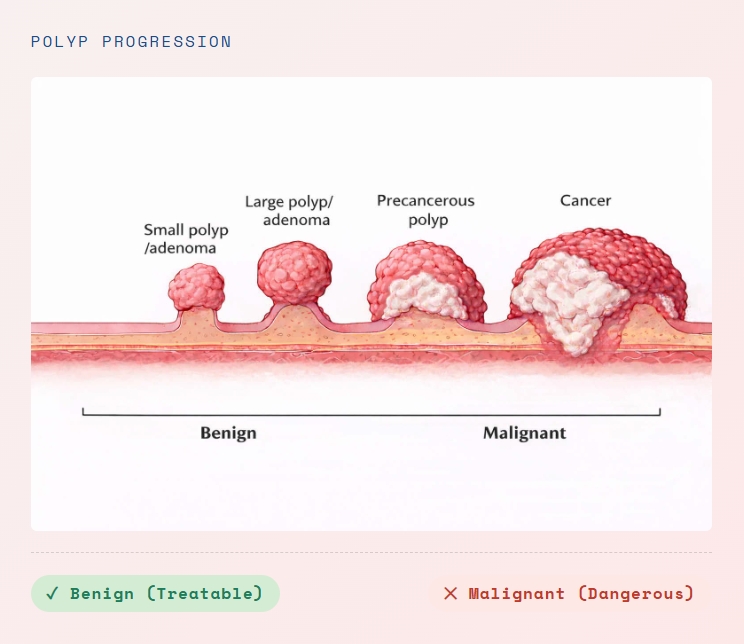
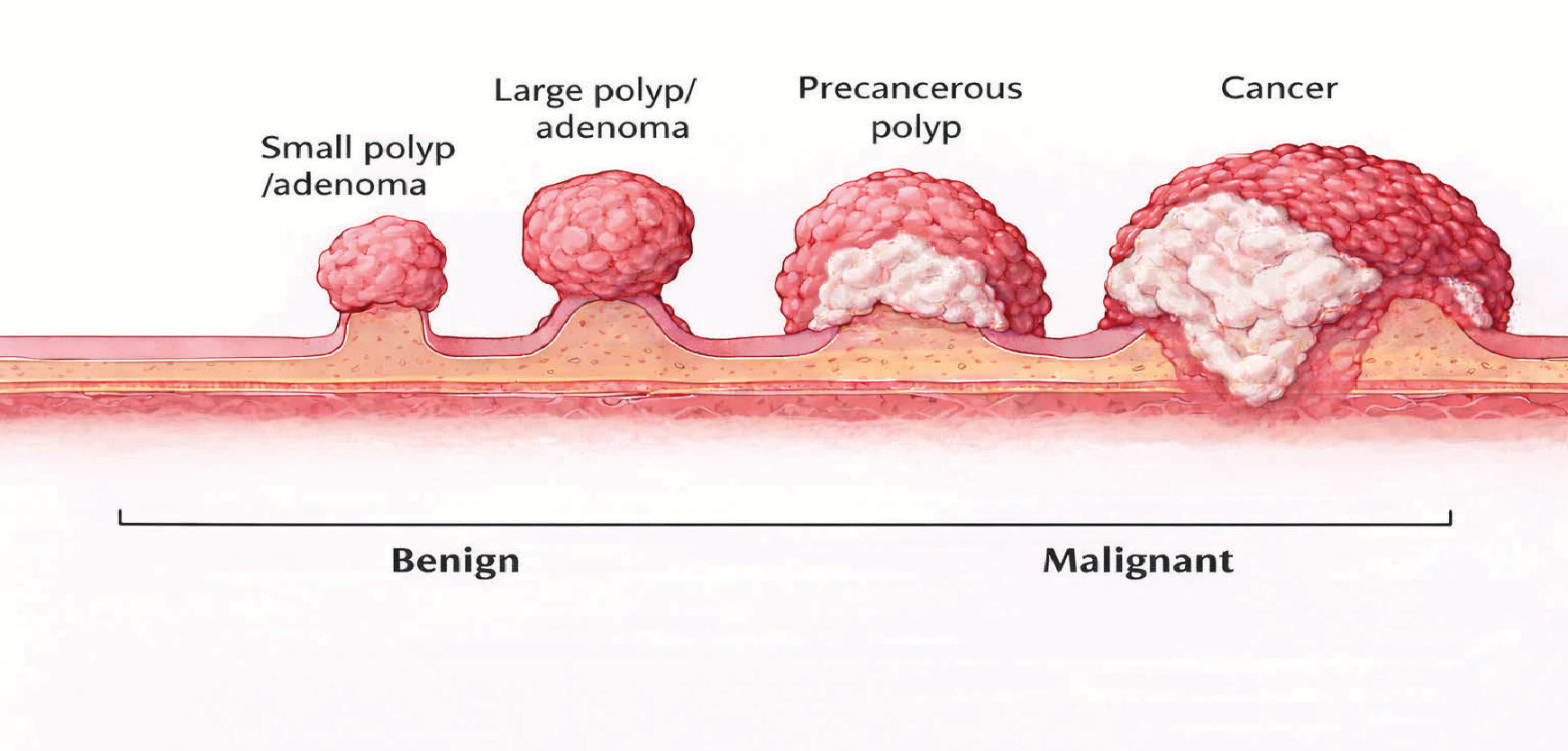
All colorectal cancers start with small abnormal growths called polyps.
Polyps can occur in up to 30-40% of the adult population but only some grow to become cancers

"I had no idea what a polyp was until my doctor found one during a routine scope. It was small, benign — but my doctor said if left another year or two, it could have turned cancerous. That one routine check literally saved my life."
Puan Rosnah binti Kamaruddin, 54Housewife · Kuala Lumpur · Stage 0 detected, polyp removed 2019
How Common Is It in Malaysia?
Colorectal cancer is one of the most prevalent cancers in Malaysia — affecting Malay, Chinese, Indian, and all other communities equally. Awareness is the first step.
How Common Is It in Malaysia?
Colorectal cancer is one of the most prevalent cancers in Malaysia — affecting Malay, Chinese, Indian, and all other communities equally. Awareness is the first step.
Colorectal cancer leads all cancers in Malaysian men (2012–2016 MNCR data).
It ranks just behind breast cancer as a leading cause of cancer in Malaysian women.
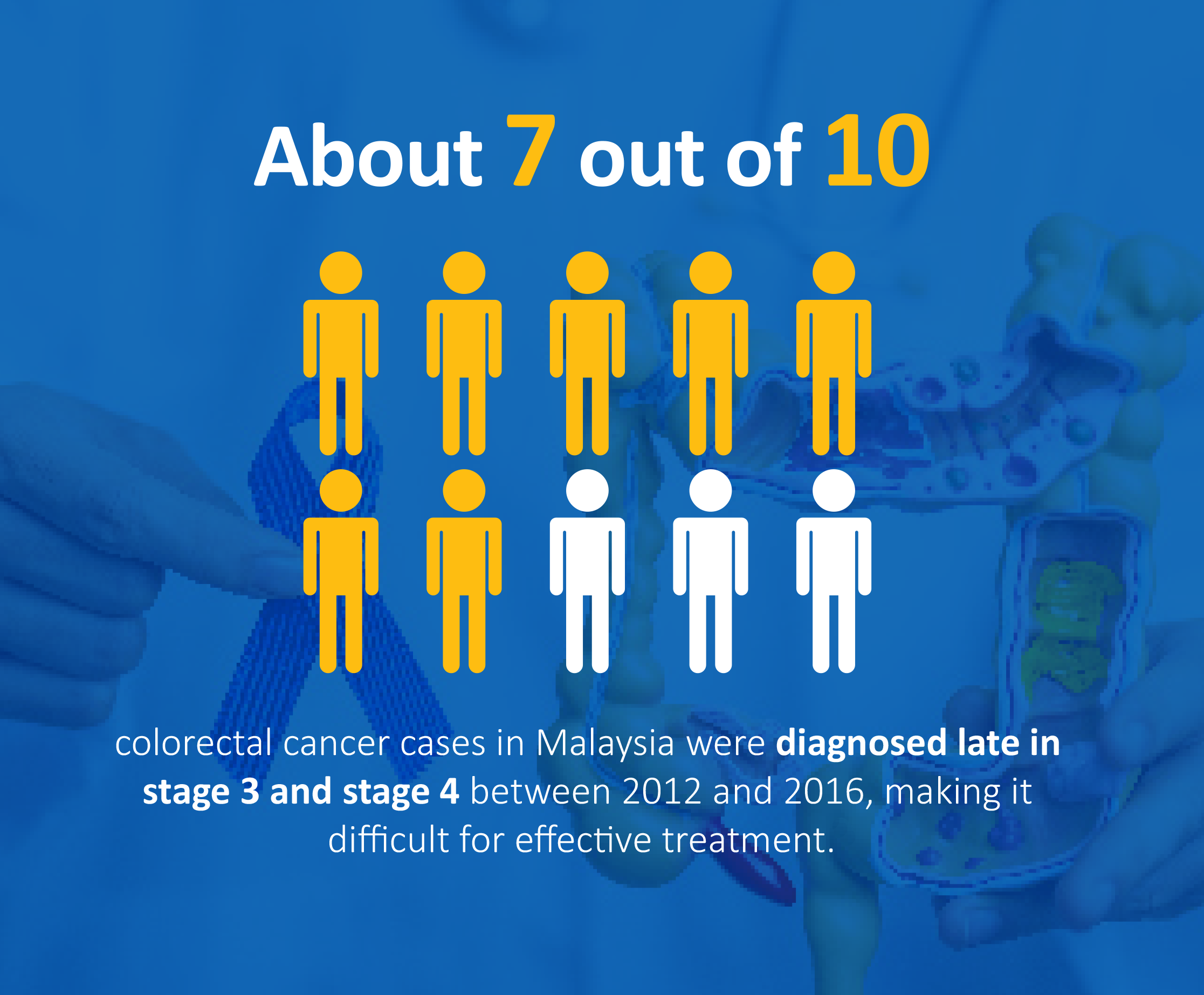
7 out of 10
colorectal cancer cases in Malaysia were diagnosed at Stage 3 or 4 (2012–2016), significantly reducing the chance of survival and requiring far more aggressive treatment.
"When I was diagnosed, the doctor told me colon cancer is the number one cancer in men in Malaysia. I was shocked — I thought it only happened to others. Seven out of ten Malaysians are diagnosed late, and I was nearly one of them."
Encik Ramesh Krishnan, 58Engineer · Penang · Stage 3 diagnosed 2020, now in remission
Stages of Colorectal Cancer
The earlier the diagnosis, the better the outcome. Five-year survival rates drop dramatically as the cancer advances — making early screening life-saving.
-
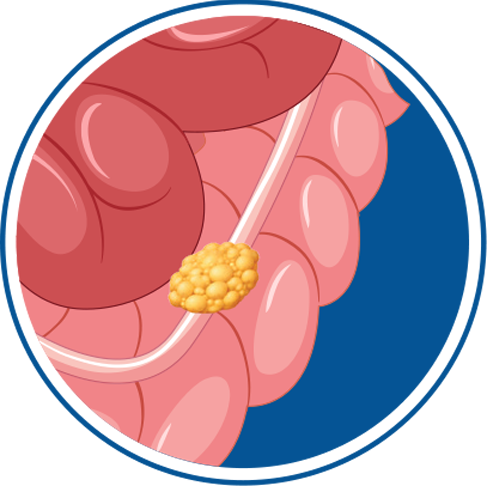
Stage Survival Rate* (5-year)
1 76%
-
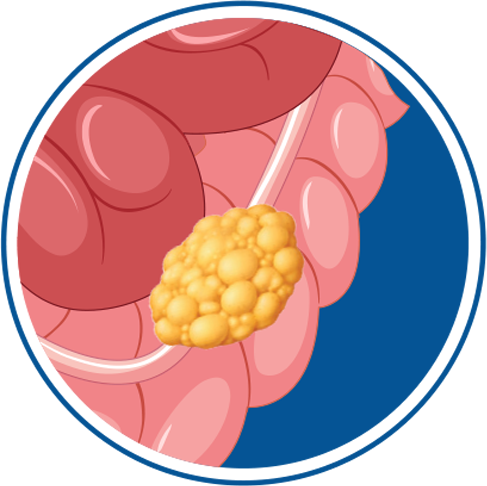
2 73%
-
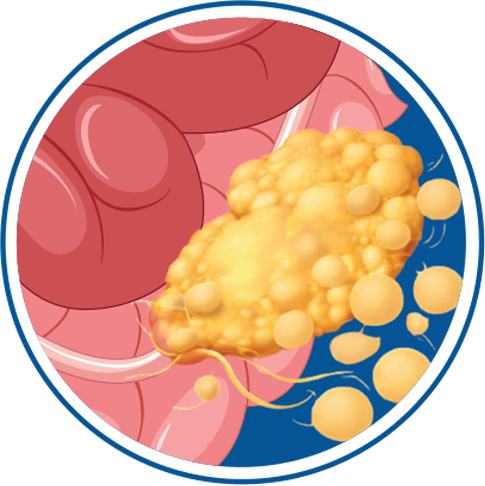
3 56%
-
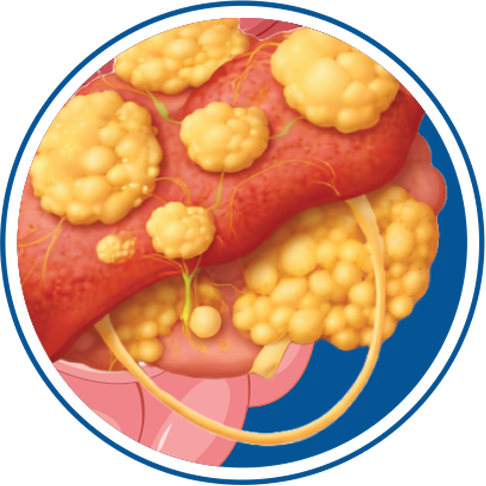
4 17%
*The percentage of patients who are alive 5 years after diagnosis.
The sooner the cancer is detected, the higher your chances of survival and the less aggressive the therapy
"Mine was Stage 3 when they found it. The surgery was followed by six months of chemotherapy. My doctor told me that if I had come in just one stage earlier, I might have avoided chemo entirely. Now I tell everyone — every stage matters."
Mdm Lim Hui Shan, 61Retired Teacher · Ipoh · Stage 3, surgery + chemo 2021
What Are the Risk Factors?
Some risks can be managed through lifestyle choices, while others are inherited. Knowing both helps you take action — no matter your background.
Modifiable (Factors that you can change these)





Non-Modifiable (Factors that you can not be change)





"I was overweight, loved char kuey teow every day, barely exercised, and had a family history of colon cancer. My doctor said I had almost every modifiable risk factor. After my diagnosis I changed everything — diet, exercise, no more smoking."
Encik Faizal bin Ahmad, 49Sales Manager · Johor Bahru · Stage 2, surgery 2022, now cancer-free
Signs & Symptoms
Many people have no symptoms in early stages — which is why screening is vital. But watch out for these warning signs and act promptly.
-

Change in bowel habit such as diarrhoea, constipation, or narrowing of the stool that last longer than a few days
-

Sense of needing to go to the toilet yet not feeling relieved by doing so
-

Continuous and unexplained tiredness
-

Pain or cramping in the abdomen
-

Blood in stool
-

Unexplained weight loss
Talk to your doctor if you notice any of these changes.
"I noticed blood in my stool for three months but kept telling myself it was just hemorrhoids. My wife forced me to see a doctor. It was Stage 2 colon cancer. Please — do not ignore the signs. That blood in the toilet was my body screaming for help."
Encik Suresh Pillai, 52Driver · Seremban · Stage 2 caught after blood in stool, 2021
How Do I Get Screened?
Screening looks for cancer before symptoms appear. Two key tests are recommended in Malaysia for all adults aged 50 and above.
- In Malaysia, colorectal cancer screening is recommended for people aged 50 to 75 to detect colorectal cancer early.
- The purpose of screening is to look for cancer even before symptoms appear.
- If any of your close family member(s) (parents, siblings or children) has a history of colorectal cancer, screening is recommended for the entire family.
iFOBT (Blood in Stool Test)
Checks for hidden blood in your stool. A positive result may indicate haemorrhoids, polyps, or colorectal cancer — your doctor will advise on next steps
Age 50+: Once every yearColonoscopy
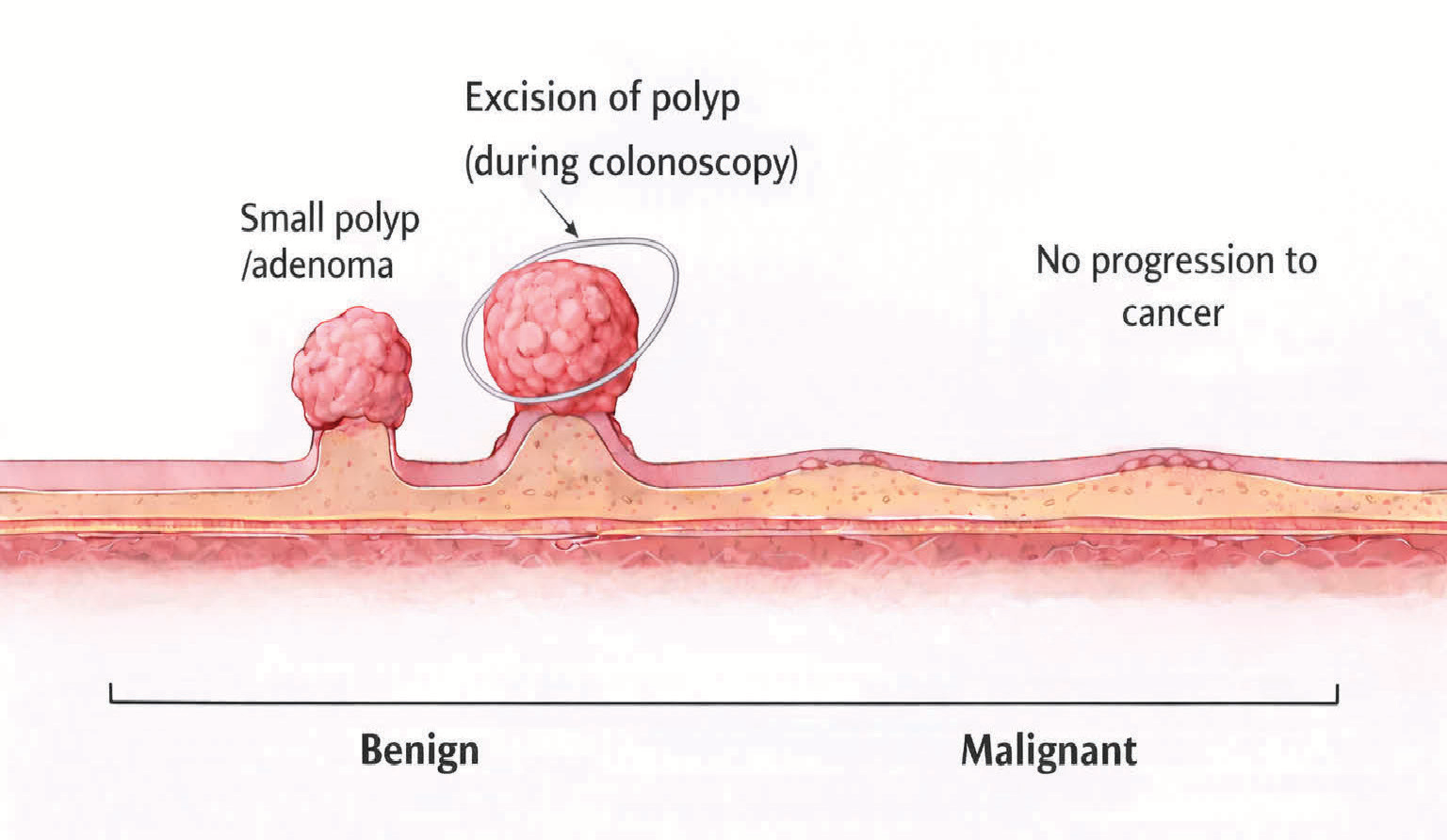
Scans the entire colon and rectum for polyps or cancer. Your doctor can remove polyps immediately, preventing cancer before it starts. Recommended for those with a family history of colorectal cancer.
Age 50+: Once every 10 years Age 40+ if family history of colorectal cancerIf a close family member has a history of colorectal cancer, screening is recommended for the entire family — regardless of age.
"I went for my first colonoscopy at 50 only because my friend dragged me along. They found three polyps — one precancerous. The doctor removed them on the spot. No surgery, no chemo. Just that one screening appointment changed everything."
Puan Azizah binti Yusof, 53Accountant · Shah Alam · Precancerous polyps removed during colonoscopy, 2020
How Do I Reduce My Risk?
Lifestyle changes can significantly lower your risk. Here's what every Malaysian can do starting today.
-
Get Screened
Polyps can be found and removed before becoming cancer — the most direct prevention step.
-

Exercise Regularly
150 min moderate or 75 min vigorous activity weekly, plus 2 days of muscle strengthening.
-
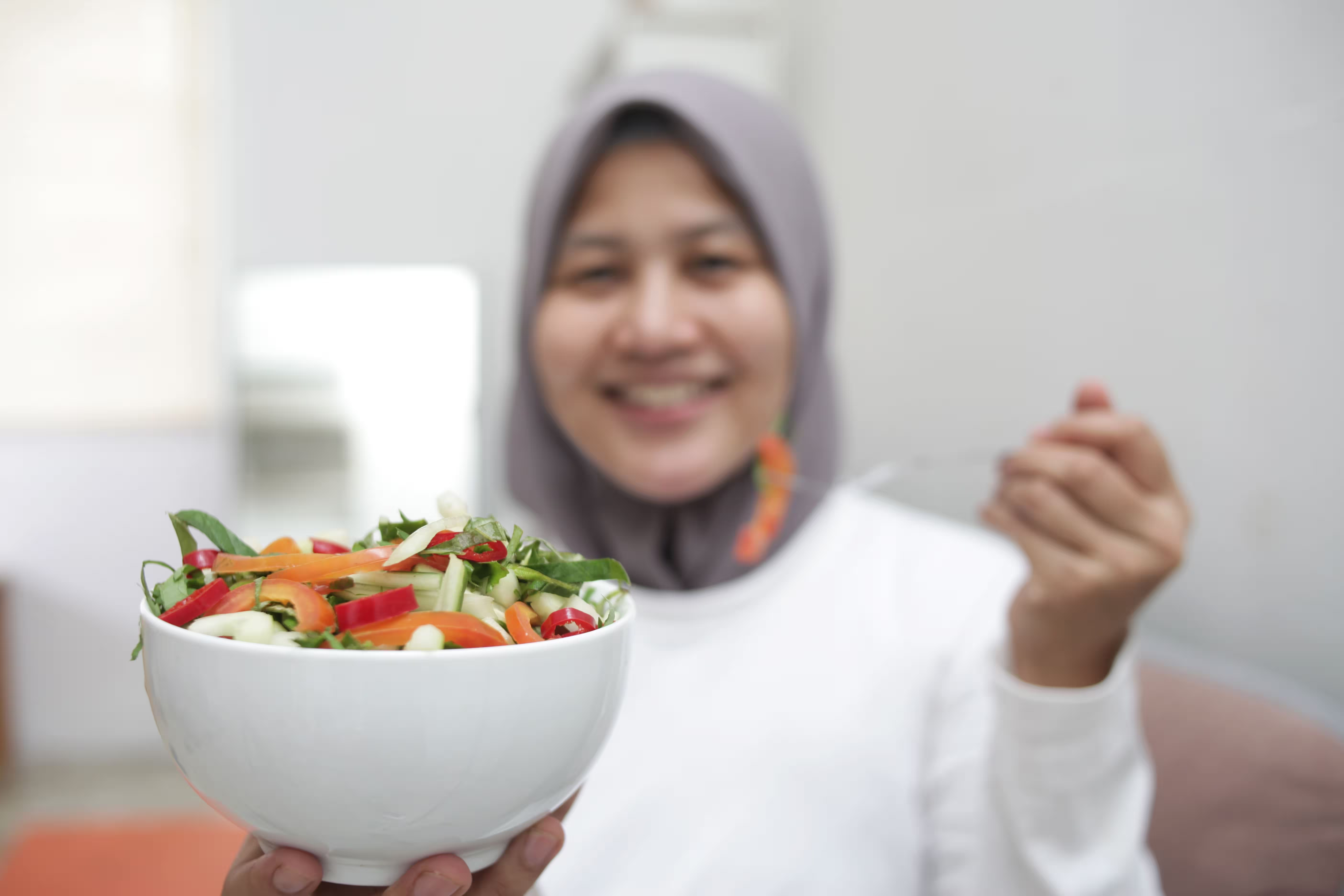
Eat a Balanced Diet
Follow the Malaysian Healthy Plate: half fruits & veg, quarter grains, quarter protein. Avoid processed food.
-
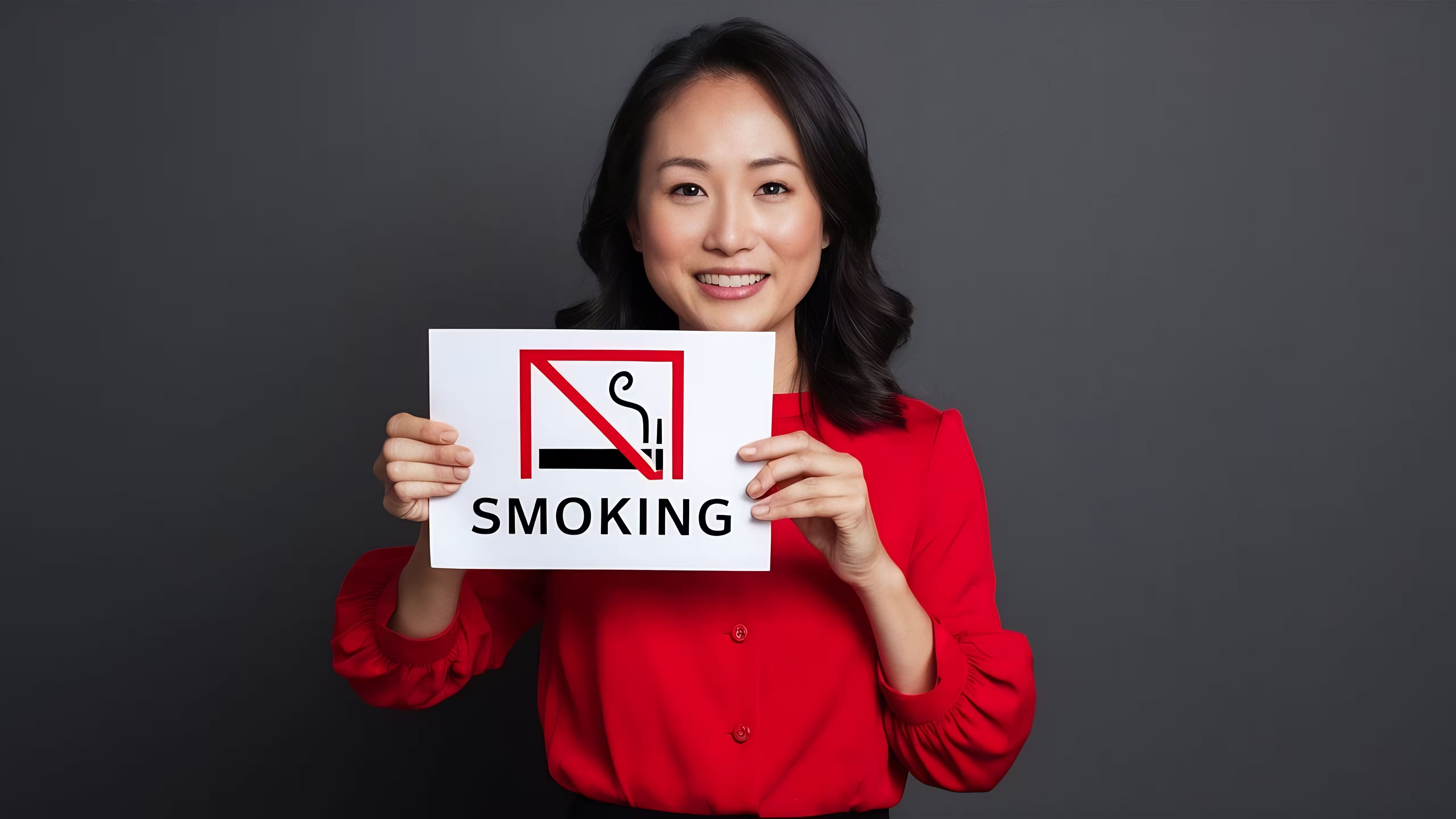
Don't Smoke
Avoid both active and passive smoking completely. Smoking raises the risk of many cancers.
-
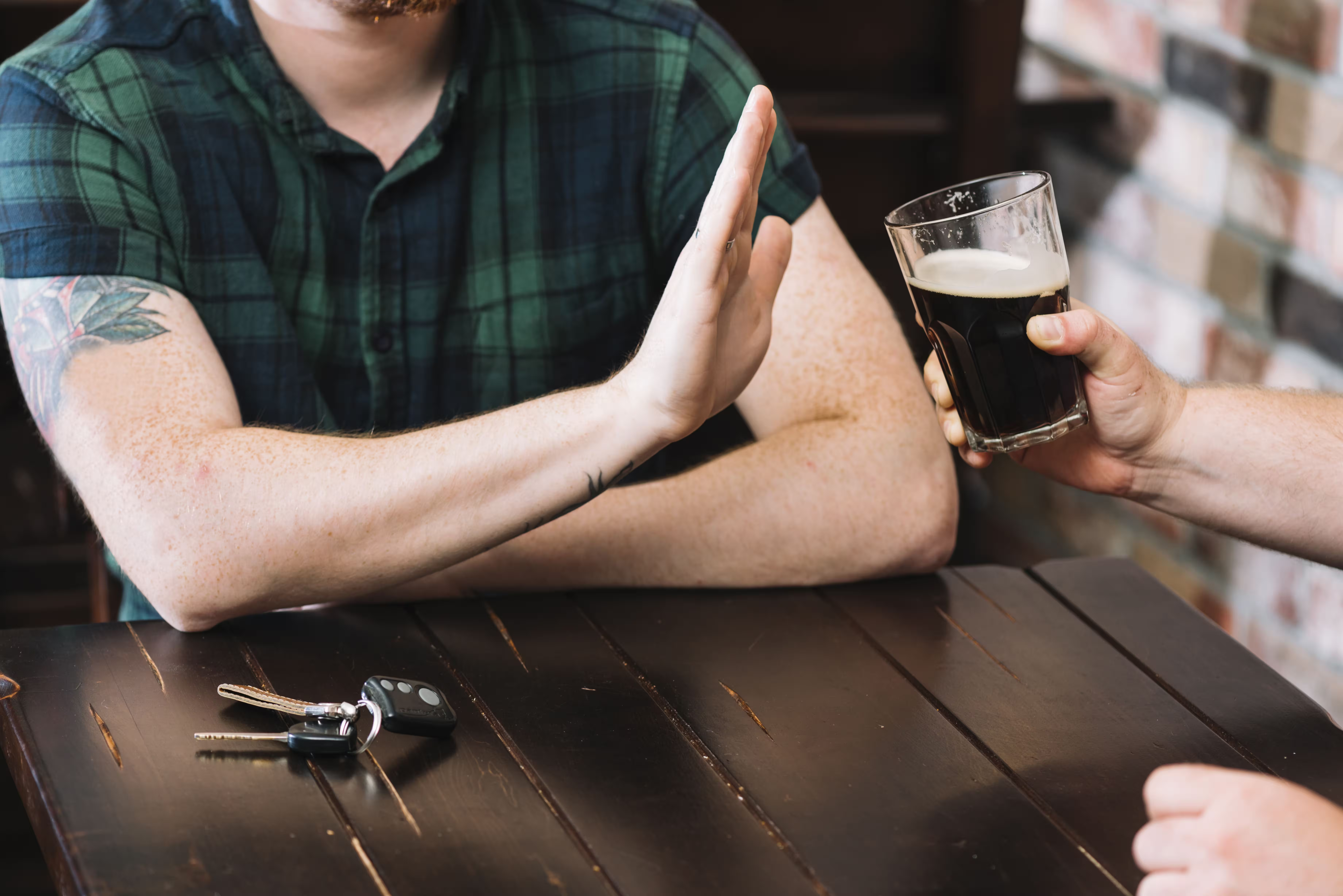
Limit Alcohol
Alcohol consumption is linked to colorectal cancer risk. Limiting or eliminating it helps significantly.
-
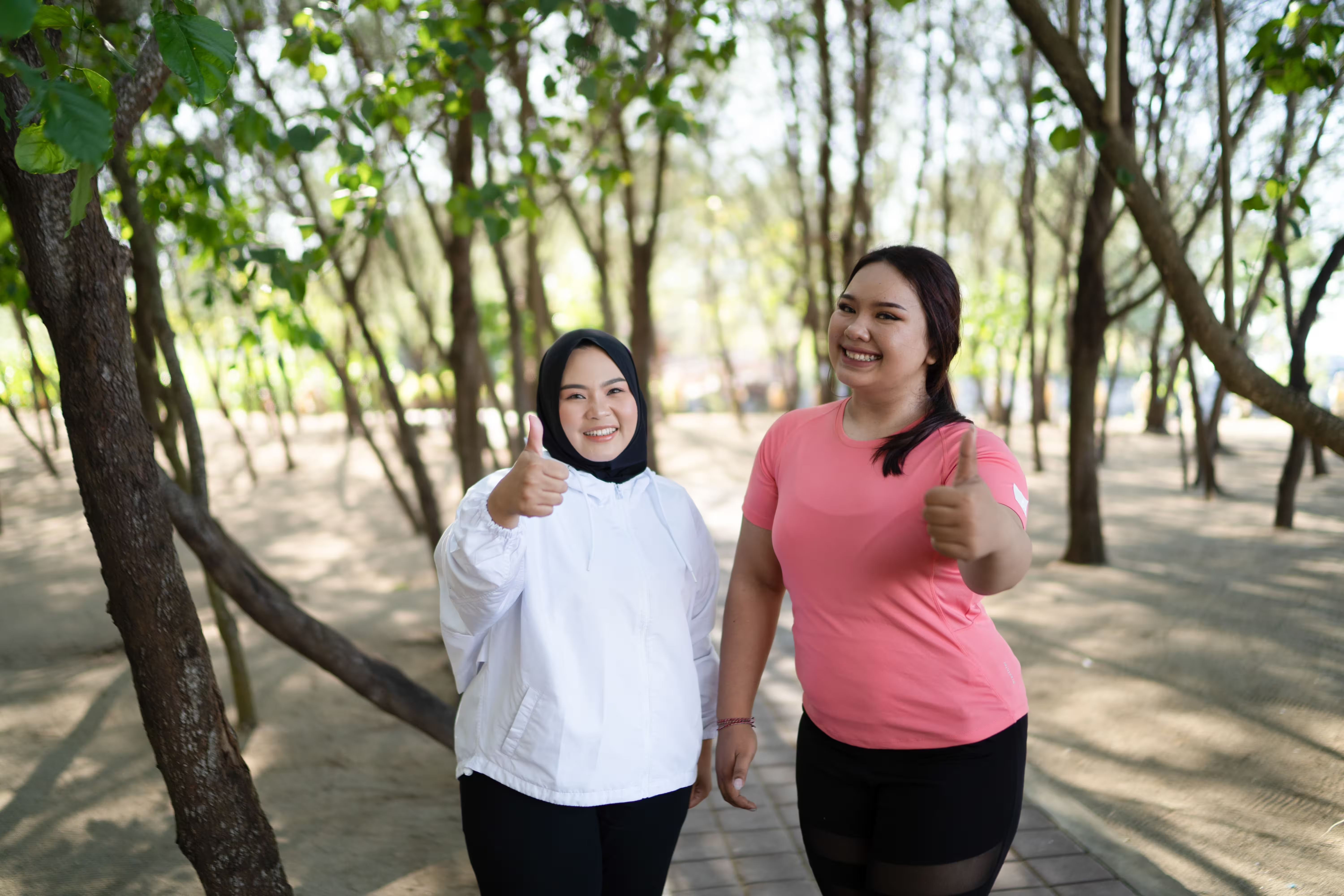
Maintain a Healthy Weight
Obesity increases risk. Exercise and a balanced diet together keep weight in check.
Dietary Recommendations
-

Red meat
Less than 500g/week (3 palm-sized portions)
-

Wholegrain
2+ servings daily (brown bread, brown rice)
-

Fruits & Vegetables
2 servings fruit + 3 servings veg daily
-

Processed Meat
Avoid completely (sausages, bacon, etc.)
-

Sugary Drinks
Avoid completely — choose plain water
-

Processed Food
Less than once a week or avoid completely
How does colonoscopy prevent colorectal cancer?
"After my diagnosis, I became obsessed with prevention — for my children and grandchildren. I stopped eating processed food, walk 5km every morning, and brought my whole family for screening. Prevention is not just about you. It is about everyone you love."
Tok Wan Chong Wei Liang, 67Retired Civil Servant · Kota Kinabalu · Stage 1, recovered 2018, prevention advocate
Tak Nak Kanser Kolon No to Colon Cancer
Official Campaign Anthem · xcoloncancer.my
Tak Nak Kanser Kolon No to Colon Cancer
Official Campaign Anthem · xcoloncancer.my
"Tak Nak Kanser Kolon" is our national awareness campaign song — a rallying call for all Malaysians, across every race and community, to take charge of their health, get screened early, and say no to colon cancer.
Share the song, spread the message, and encourage your loved ones to screen early. Together, we can change the statistics.
Colorectal Cancer Affects Every Malaysian
Whether Malay, Chinese, Indian, or from any community — colon cancer does not discriminate. Together, we screen early and live well.